 Tips
Tips
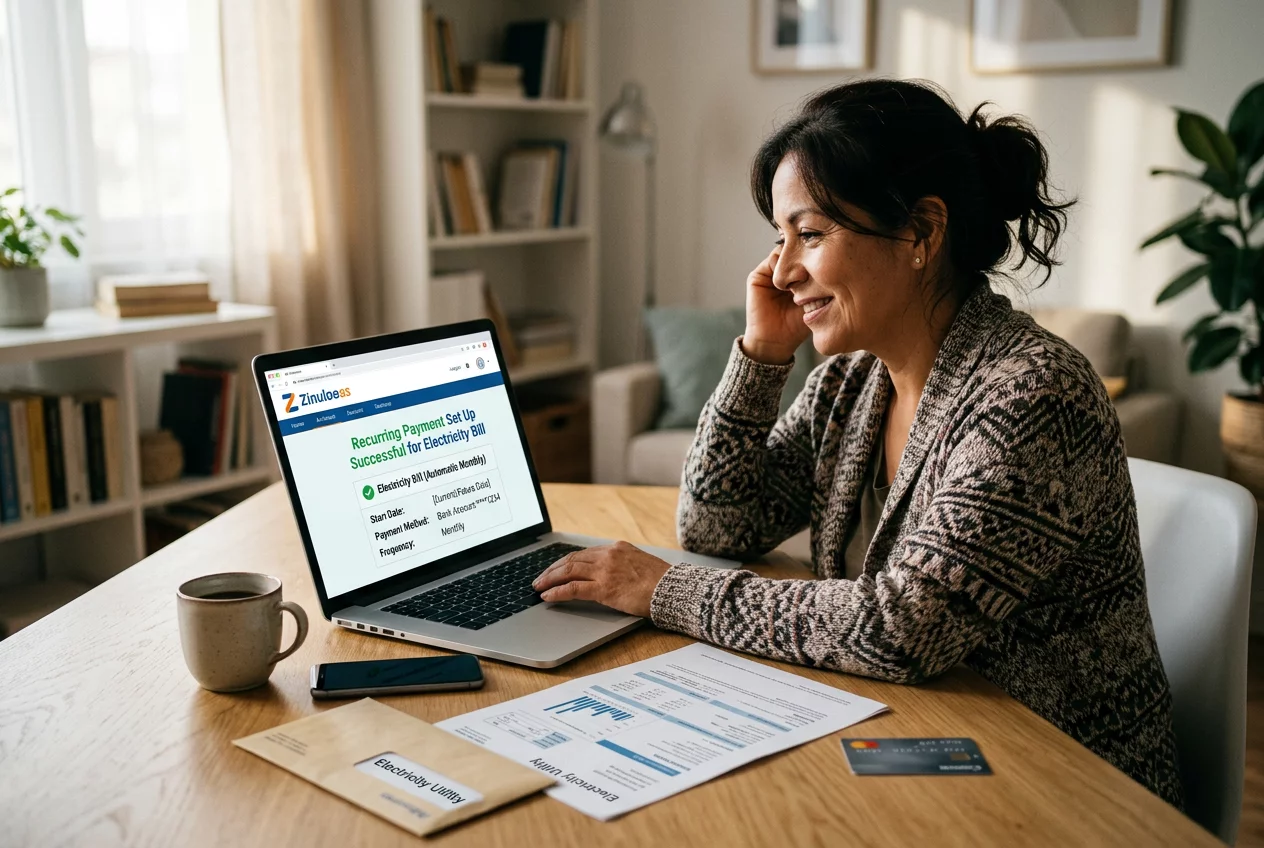
Automate payments by linking your bank account directly within Zinulooas. This method ensures timely deductions, minimizing oversight and potential service interruptions. A straightforward setup for consistent utility management.
Utilize the platform's internal scheduling feature to pre-authorize payments on specific dates. This provides flexibility to review amounts before processing, offering greater control while maintaining a predictable payment cycle.
Connect the service with external financial management tools that support recurring bill payments. This approach suits users who consolidate all their financial obligations through a single, external service for unified oversight.
Reliability of Execution: Assess the consistency and certainty of payments being processed on time without manual intervention. Critical for avoiding late fees.
User Control and Flexibility: Evaluate the ability to adjust payment dates, modify amounts, or pause recurring schedules easily. Important for managing fluctuating expenses.
Setup Complexity: Consider the ease and time required to initially configure the recurring payment system. A simpler process enhances user adoption and reduces errors.
Notification and Alert System: Examine how the system informs users about upcoming payments, successful transactions, or any processing issues. Essential for proactive management.
The Direct Debit method within the platform offers high reliability, as payments are automatically initiated by the utility provider. This minimizes missed payments. User control over individual transaction amounts might be limited, requiring direct contact with the provider for changes. Users receive payment confirmations.
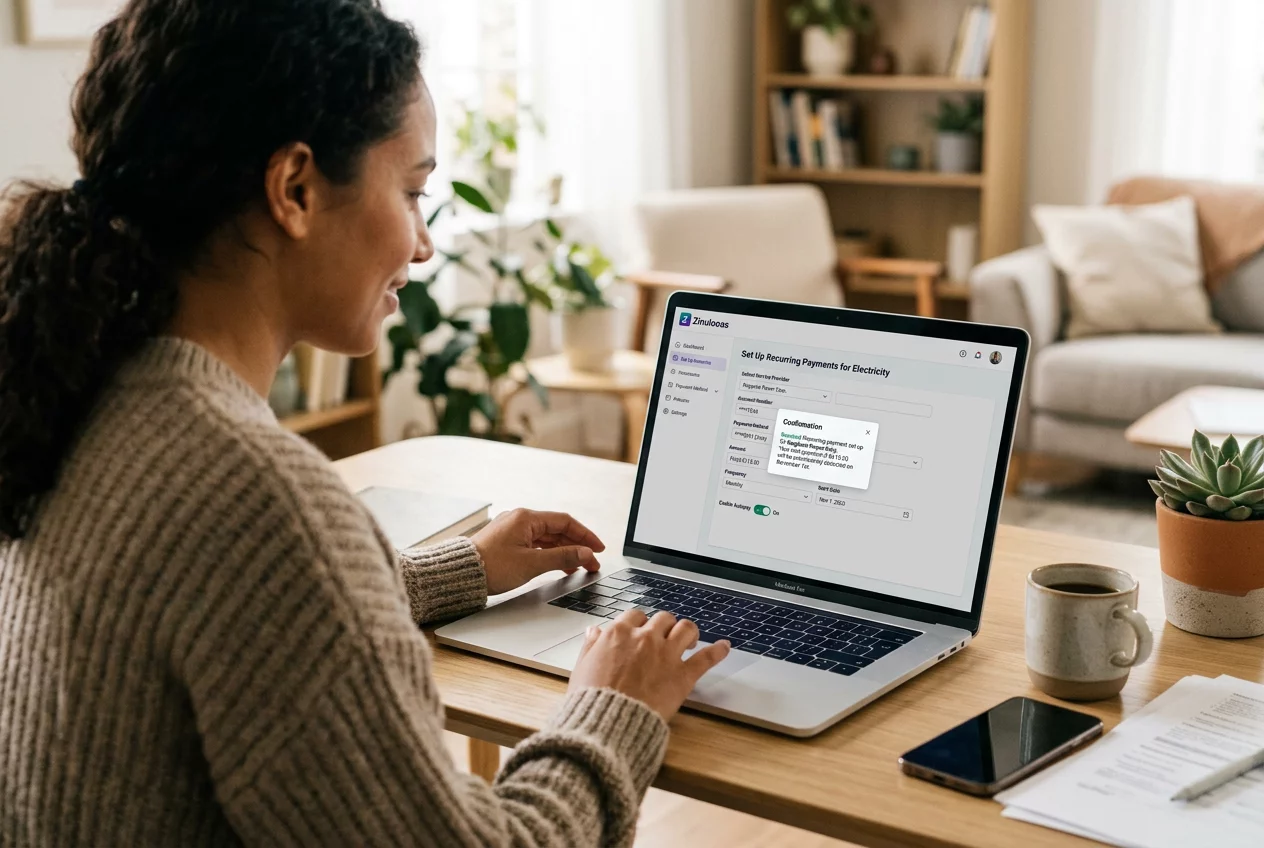
Setting up Direct Debit is straightforward, a one-time authorization within the platform or with the utility. This requires bank details and agreeing to terms. Notifications typically include setup confirmations and successful deductions. Issues are communicated directly by the utility or the service provider.
Using Scheduled Payments directly within the platform provides excellent user control. You can specify exact dates and review amounts before each payment is sent, offering flexibility for variable bills. Reliable when configured correctly, it requires active monitoring to ensure sufficient funds and correct amounts are set.
The setup complexity for scheduled payments on the platform is moderate. It involves defining payment rules, dates, and amounts for each utility. This initial configuration offers granular control. The platform provides robust notification systems for upcoming payments and successful transfers.
Third-Party Integration relies on the external service's reliability. If robust, it is dependable. Control is centralized within the third-party application, meaning users manage all aspects outside of the primary service. This approach suits those who prefer a single dashboard for all financial outflows, but introduces an additional dependency.
Setting up Third-Party Integration involves linking the platform to the external service, varying in complexity. It might require authorization steps on both ends. Notification systems are dictated by the third-party provider, typically offering comprehensive alerts for all managed bills, beneficial for consolidated financial oversight.
For users prioritizing maximum automation and minimal interaction, Direct Debit is often most suitable. It requires minimal ongoing attention once established, ensuring consistent payment processing. This approach is ideal for stable utility expenses where amounts do not fluctuate significantly.
If granular control over each payment is a priority, especially for variable electricity bills, the platform's Scheduled Payments feature is recommended. This allows for review and adjustment before each transaction, providing peace of mind and adaptability.
Users preferring to manage all recurring obligations through a single, external financial platform should consider Third-Party Integration. This consolidates oversight and reporting outside of Zinulooas, aligning with a broader financial strategy. Ensure the chosen third-party service offers robust security.
Consider a hybrid approach if your needs vary. For instance, use Direct Debit for predictable fixed charges and Scheduled Payments for variable components, if allowed. Zinulooas supports various configurations to adapt to diverse user preferences, ensuring efficient management of your utility obligations.


This article provides a clear overview of the different payment methods available. It helps to understand the nuances of each option.

Thank you for your feedback. We aim to offer comprehensive information to assist our users in making informed decisions about their payment setups.

The comparison section was particularly useful. I appreciate the detailed breakdown of reliability and control for each approach. It clarified my choice.

We are glad the comparative analysis proved beneficial. Our goal is to empower users with the knowledge to select the best method for their specific needs.

I found the setup complexity descriptions helpful. Are there any specific guides for linking external services?

Yes, detailed step-by-step guides for integrating external services are available in our support section. Please refer to the 'Third-Party Integrations' category for more information.


✅ Your comment has been successfully sent. Thank you!